

Overview
Copper prices are surging to all-time highs amid growing concern that mine supply will struggle to keep pace with demand.
The copper bull case is hardly contrarian at this point, but even in a bull market, less obvious opportunities can still exist. My research is focused on finding them.
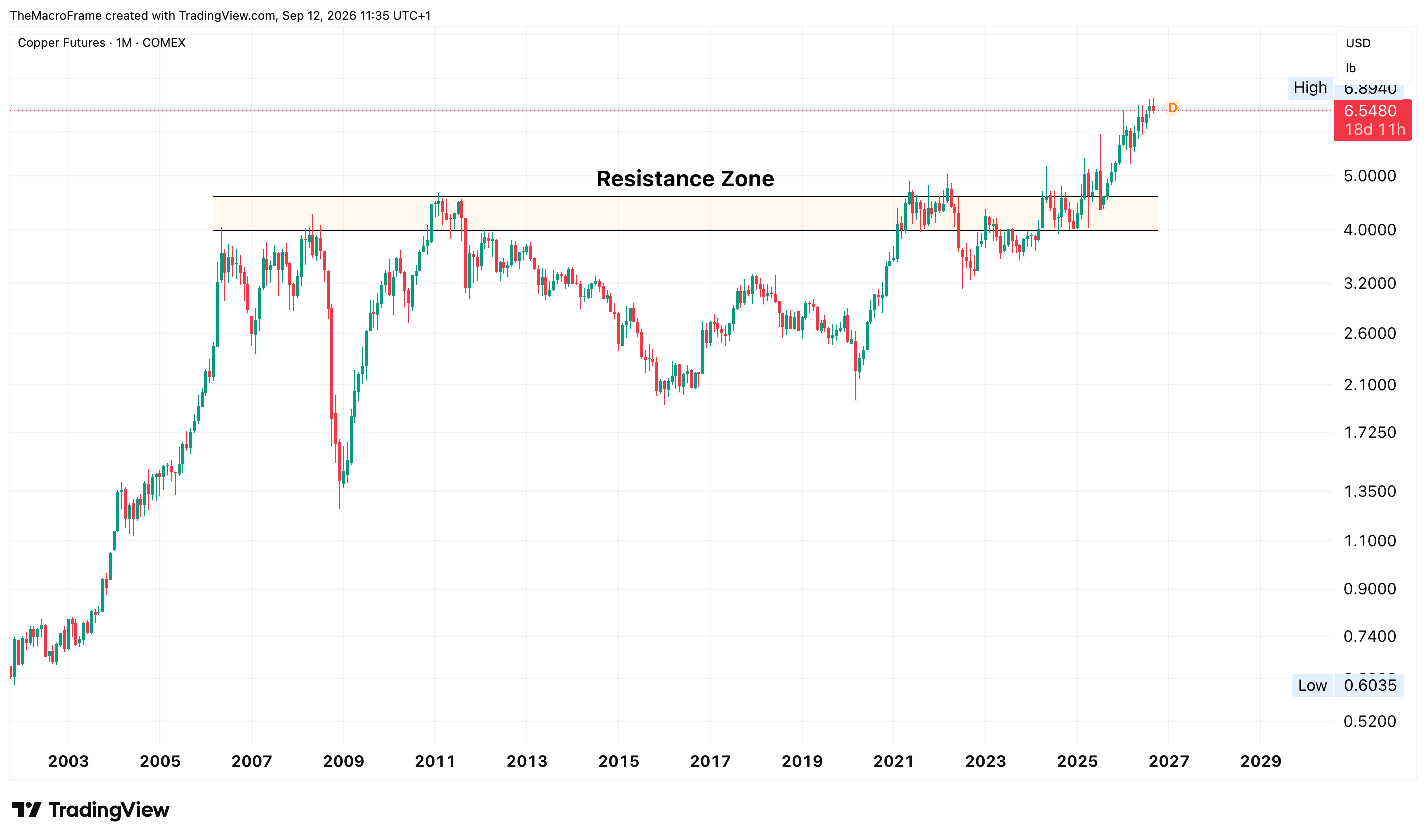
I am looking for regions with large copper resources and companies that still appear to be valued for a lower copper-price environment. That research takes me to Latin America, then Argentina, and finally to a Canadian copper company operating there that, in my view, still looks priced for something closer to the 2024 copper market.
Copper Thesis
Before looking at the countries and companies that I think are well positioned to benefit from higher copper prices, I’ll briefly set out why I think the copper bull market still has further to run, despite how mainstream the thesis has become.
Demand
Governments worldwide are investing heavily in electricity grids, renewable energy and rearmament, while the world’s biggest technology companies are pouring money into data-centre capacity, all of which require large amounts of copper.
Supply
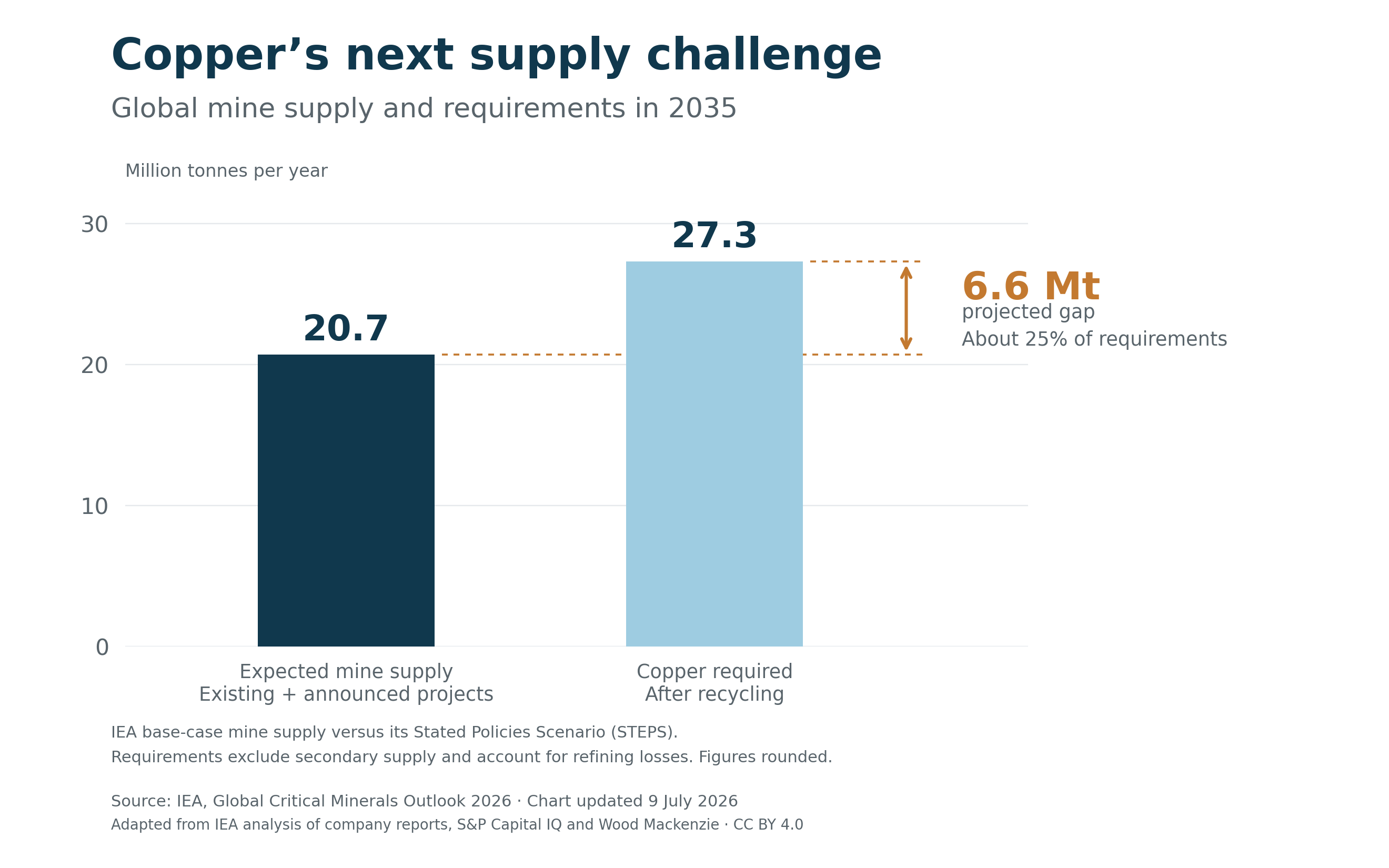
According to the International Energy Agency, by 2035 the world will need 27.3 million tonnes of mined copper per year after accounting for recycling, which is 6.6 million tonnes more than is forecast from existing and announced mines.
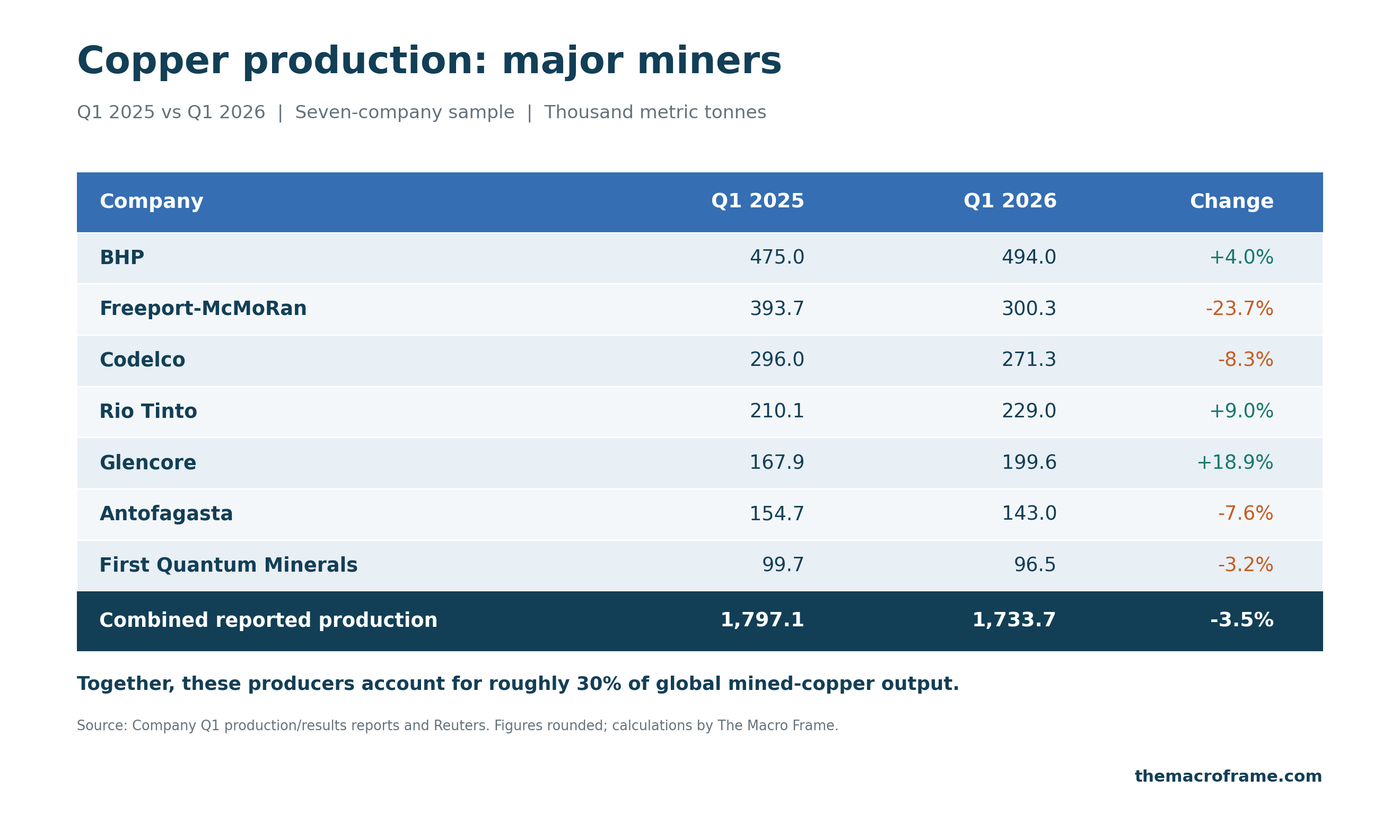
Copper producers are incentivised to meet that demand, but doing so is becoming more difficult. Ore grades are falling, existing deposits are being depleted, new projects are not coming online quickly enough, and permitting timelines are getting longer.
What Could Break the Thesis?
In copper bull markets, higher prices encourage more recycling and substitution, such as replacing copper with aluminium where possible.
Copper, like all commodities, is cyclical: prices rise, behaviour changes, new supply arrives, and eventually the cycle turns. But that process takes time.
My view is that the conditions driving this bull market are likely to persist for several more years.
If Copper Prices Stay High, Where Will the Value Accrue?
Latin America already dominates global production, with Chile and Peru producing 8.1 million tonnes of copper in 2025.
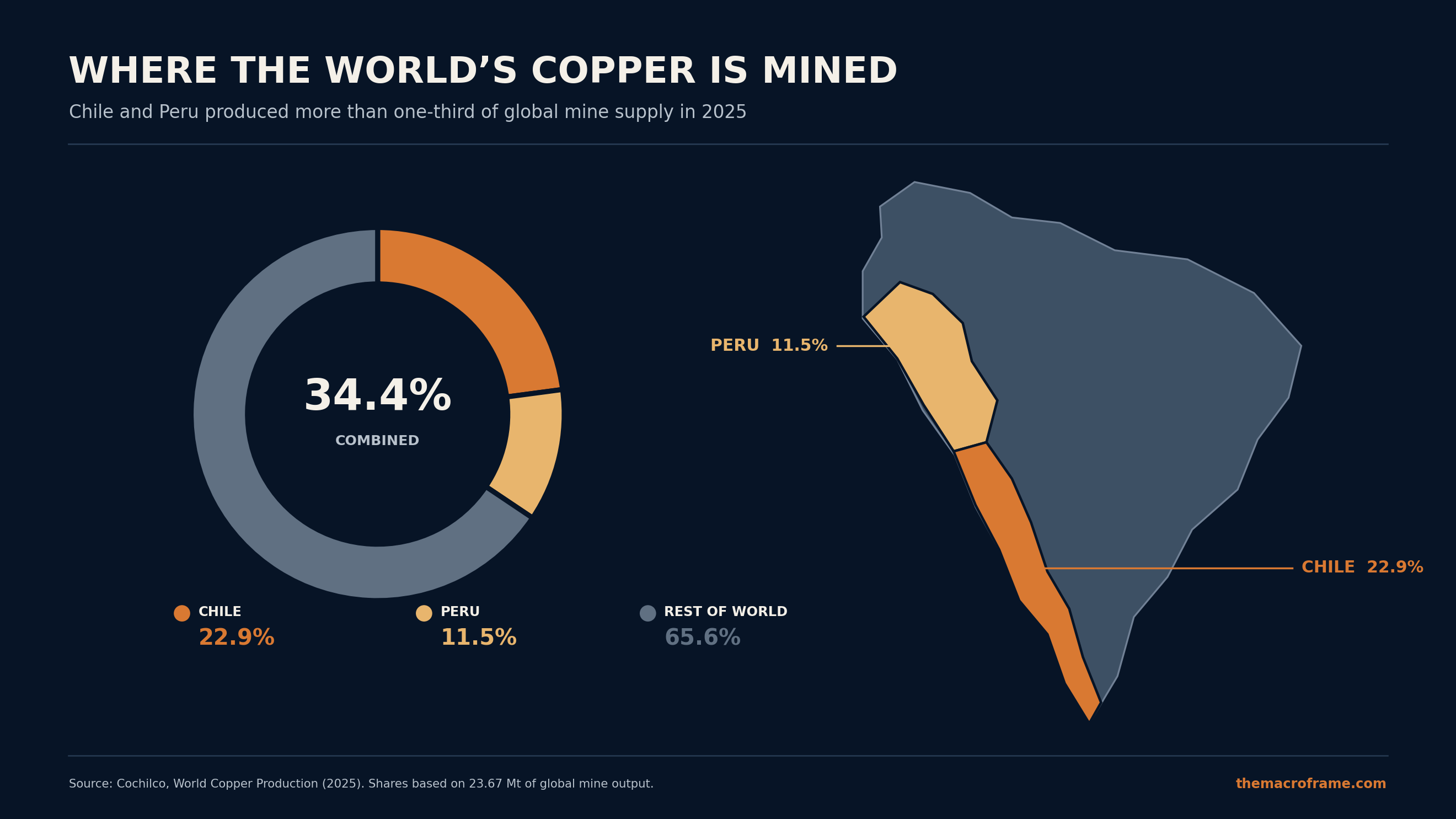
There are opportunities to expand production in both countries, but many of their largest mines are mature and already controlled by major producers such as BHP (ASX:BHP; LSE:BHP), Antofagasta (LSE:ANTO), Anglo American (LSE:AAL) and Freeport-McMoRan (NYSE:FCX).
I already own stakes in some of these companies and have done so for some time. But with the copper bull market now well underway and firmly in the mainstream, I am looking for less obvious opportunities.
Latin America still has a lot of copper in the ground. The region holds roughly one-third of the world’s economically recoverable copper reserves and accounts for 55% of the copper contained in major discoveries made since 1990.
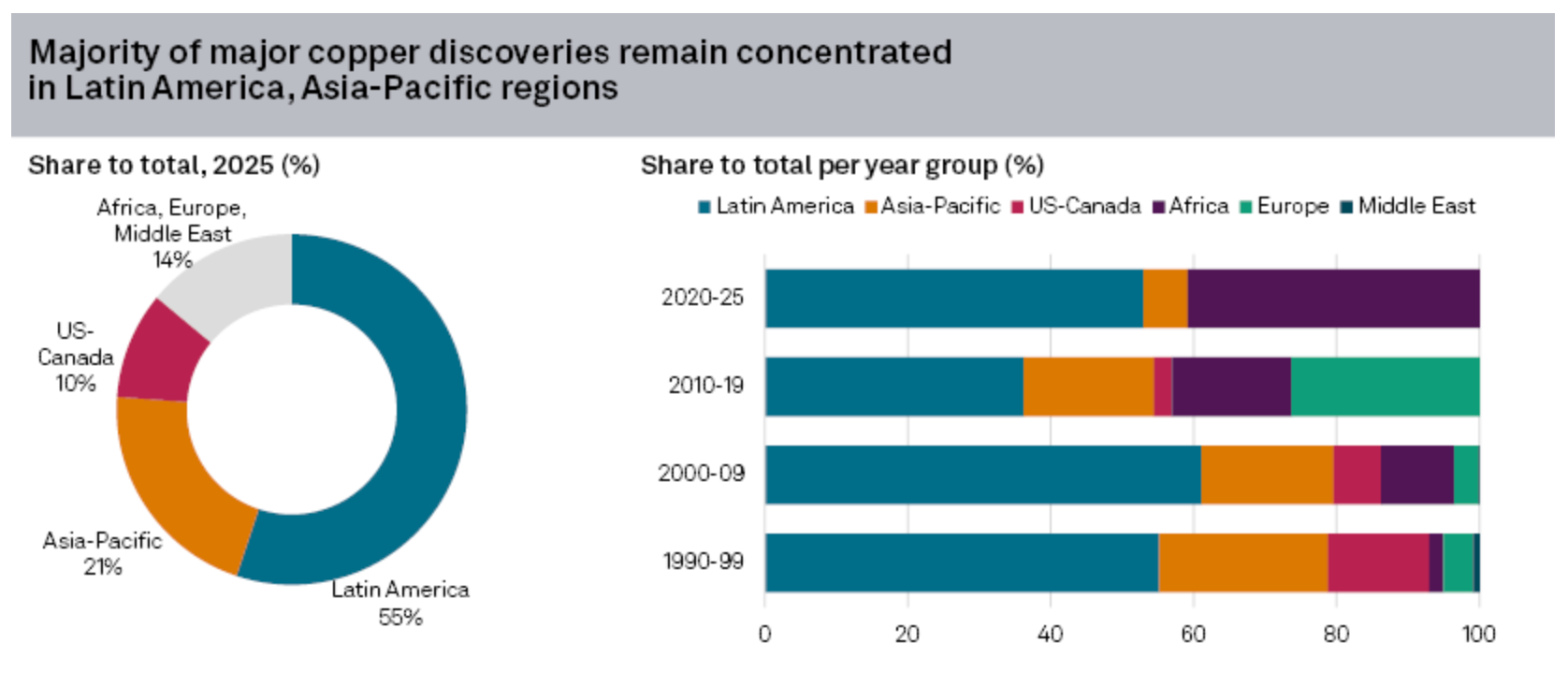
Higher copper prices increase the incentive to develop deposits that may previously have been uneconomic, while some jurisdictions that were historically difficult places to invest are becoming more favourable. Argentina is an example of this.
Argentina
Argentina has spent decades giving investors reasons to run away. Economic crises, inflation, capital controls and an unpredictable business environment made it challenging to finance projects requiring billions of dollars upfront.
Politics
Javier Milei’s government has introduced reforms aimed at simplifying mining investment. Its Large Investment Incentive Regime, known as RIGI, gives qualifying projects tax, customs and foreign-exchange benefits, with key incentives protected for 30 years.
Argentina is a federal republic in which the provinces control their natural resources, so mining risk must also be assessed at the provincial level. San Juan is favourable in this respect: mining is an explicit provincial policy priority, the province has sought to attract investment, and several major projects are already progressing through the current regulatory framework.
Economy
For years, Argentina’s multiple exchange rates and capital controls made foreign investment more difficult. Companies could face different exchange rates depending on the transaction, restrictions on accessing foreign currency, and limits on moving profits out of the country. That made long-term cash flows harder to predict and reduced the attractiveness of projects requiring billions of dollars of upfront capital.
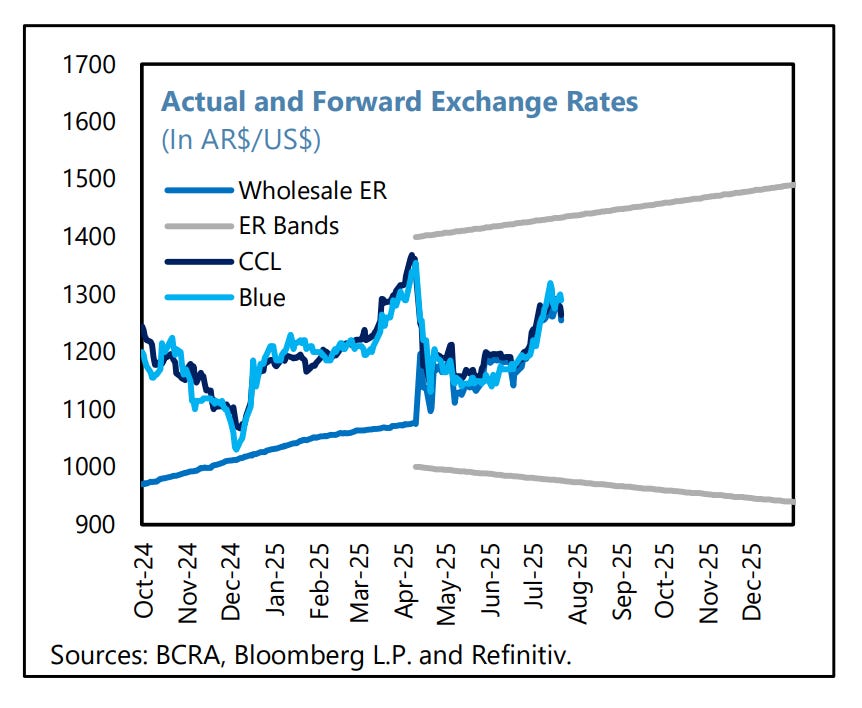
This is important because country risk feeds directly into valuations. A copper mine can generate cash for decades, but those future cash flows are worth less today if investors fear currency-related risks. As those risks fall, financing becomes easier and the discount rate can fall too. All else being equal, that can increase the value of an existing deposit without another tonne of copper being discovered.
Copper in the Ground, Majors Moving In
Argentina already holds some of the world’s largest undeveloped copper deposits, many of them concentrated in the Andes around San Juan.
Approximately 33% of Argentine copper drill holes reported significant results between January 2021 and July 2026, compared with 20% in Australia and 27% in the United States.
Grassroots copper-exploration spending increased from US$18 million in 2024 to US$66 million in 2025, driven largely by activity at NGEx Minerals (TSX:NGEX) and its Lunahuasi project. BHP (ASX:BHP; LSE:BHP) has also entered the Vicuña district through its 50:50 partnership with Lundin Mining (TSX:LUN), while Glencore (LSE:GLEN) controls El Pachón.
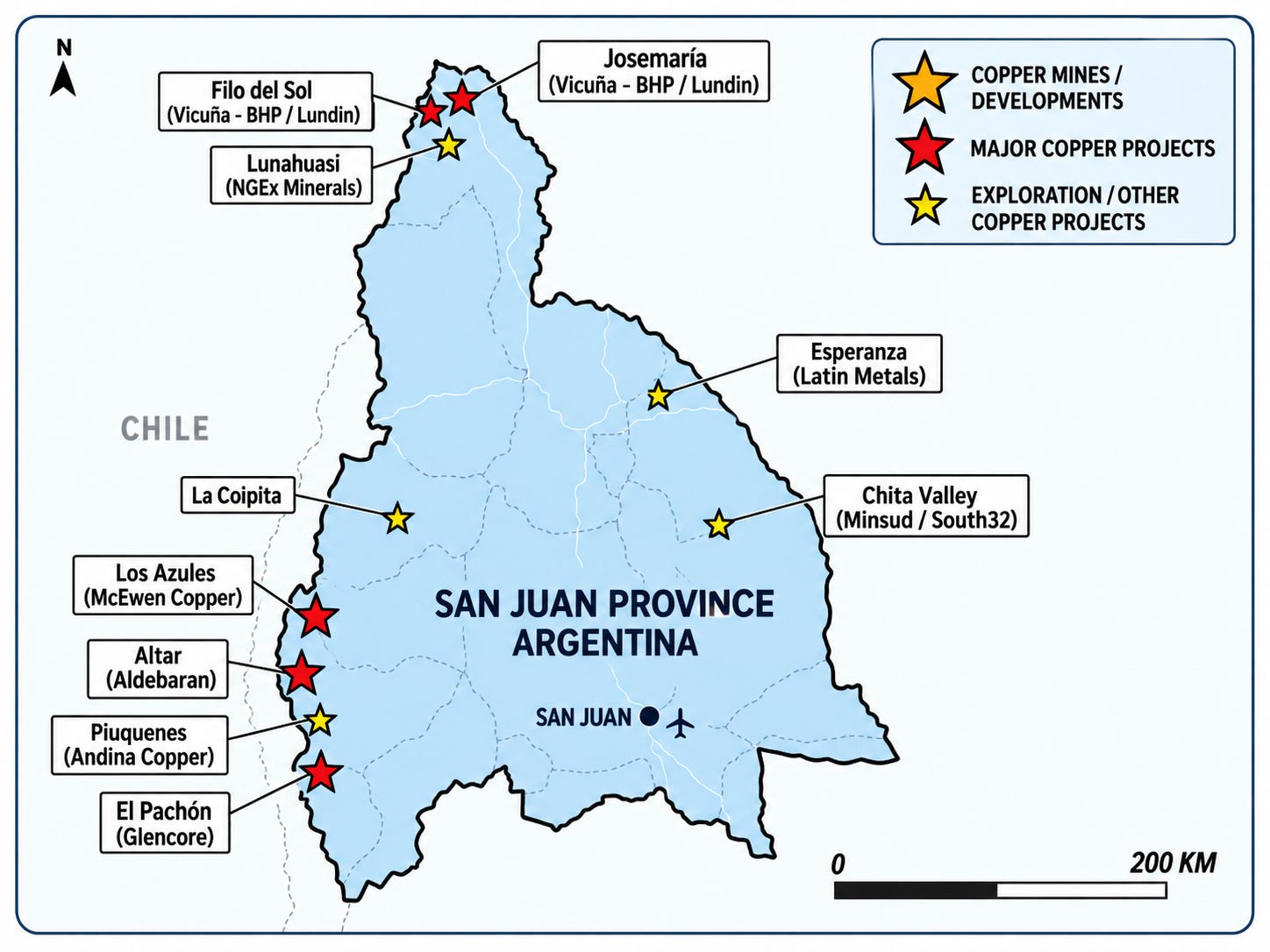
The presence of large, established miners is important because the infrastructure needed to develop these projects can also benefit neighbouring deposits.
The problem for me is that these are already large, established companies, where exposure to the copper bull market is more obvious and better reflected in valuations.
A smaller number of projects remain in the hands of junior developers, where further de-risking or higher copper prices could have a much larger impact on the company's value.
Aldebaran Resources is one of the clearest examples.
Aldebaran Resources Inc. (TSXV: ALDE)
Fundamentals
Aldebaran Resources owns an 80% interest in the Altar copper-gold project in San Juan, one of Argentina’s largest undeveloped copper resources still majority-owned by a junior developer.
The company specialises in exploring for and advancing large copper deposits in the Andes. Its strategy is to define and de-risk large deposits, then sell them to a major mining company rather than build the mine itself.
We’re a group that specializes in finding large copper deposits, drilling those out, adding value to those, and ideally selling them to a major mining company.
John Black, CEO of Aldebaran Resources
The management team has already followed this playbook before. CEO John Black was the founding President of Antares Minerals. He was involved in advancing the Haquira copper project in Peru before Antares was acquired by First Quantum Minerals (TSX:FM) for C$650 million in 2010.
Altar contains roughly 22 billion pounds of copper in measured and indicated resources, with a further 9.8 billion pounds inferred. The resource also contains meaningful gold and silver. Mineralisation remains open in several directions, so the deposit could still grow further.
Aldebaran completed a Preliminary Economic Assessment (PEA) in 2025, giving investors a look at what Altar could look like as an operating mine. The study outlined a 48-year mine life and estimated that the project would require around US$1.59 billion upfront to build.
Using a copper price of US$4.35/lb, the study estimated an after-tax present value of around US$2.0 billion. It also produced an after-tax IRR of 20.5%, suggesting reasonably attractive economics for a project of this scale.
The economics improve significantly under higher commodity-price assumptions. Using the PEA financial model at US$5.00/lb copper, alongside higher gold and silver prices, Aldebaran calculated an after-tax project value of US$3.34 billion, with the IRR rising to 28%.
Aldebaran’s current market capitalisation is roughly C$550 million. Its 80% share of Altar’s US$2.0 billion base-case project value is roughly C$2.2 billion at current exchange rates. In other words, the company trades at around a quarter of its attributable base-case project value.
That comparison is not like-for-like. The PEA is preliminary and includes inferred resources, and Altar still needs financing, further engineering work, permitting and ultimately construction before those future cash flows become real.
Results announced in September 2026 included 513 metres grading 1.06% copper equivalent within a broader 1,257-metre interval grading 0.66% copper equivalent.
This is the type of setup I find interesting: the discovery is already made. However, considerable development work remains, and the company is still small enough for further de-risking to impact its valuation.
Aldebaran is now advancing Altar towards a Pre-Feasibility Study, targeted for around mid-2027.
Risks
Aldebaran is highly exposed to the copper price. A global slowdown, weaker industrial demand or a broader commodity downturn could materially reduce the economics of Altar.
There is execution risk too. The company’s strategy is ultimately to de-risk Altar and sell it to a major mining company. Still, there is no guarantee that a transaction happens on attractive terms or within the expected timeframe.
Furthermore, Argentina’s investment environment has improved, but political risk still exists. Mining projects can take decades to move from discovery to production, so investors need confidence that today’s investment framework will remain credible under future governments.
Finally, Altar is a remote, high-altitude Andean project with limited infrastructure at site, although it sits within an established copper district close to El Pachón and Los Azules. Developing it would still require significant investment in access, power, water and other supporting infrastructure.
Technicals
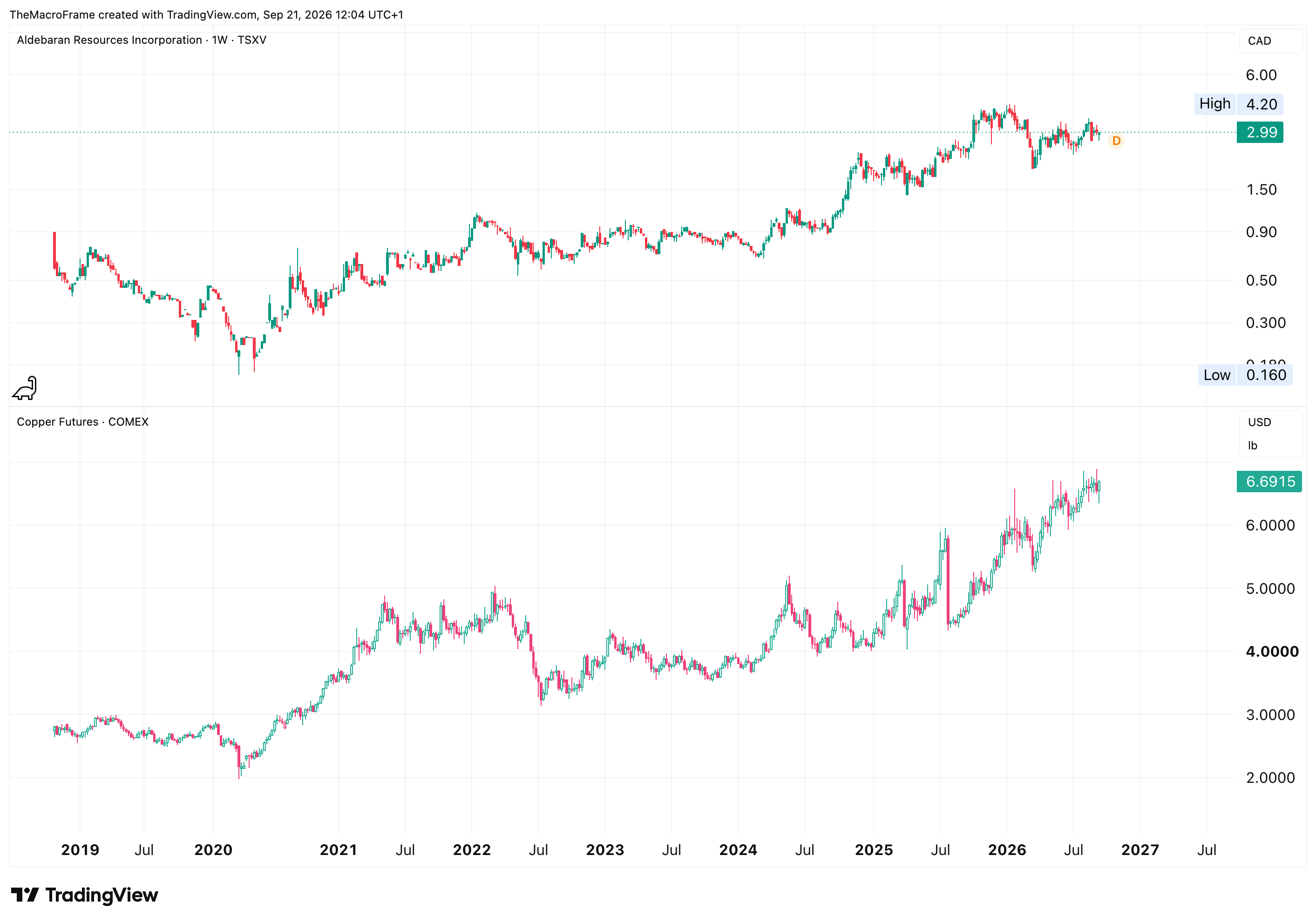
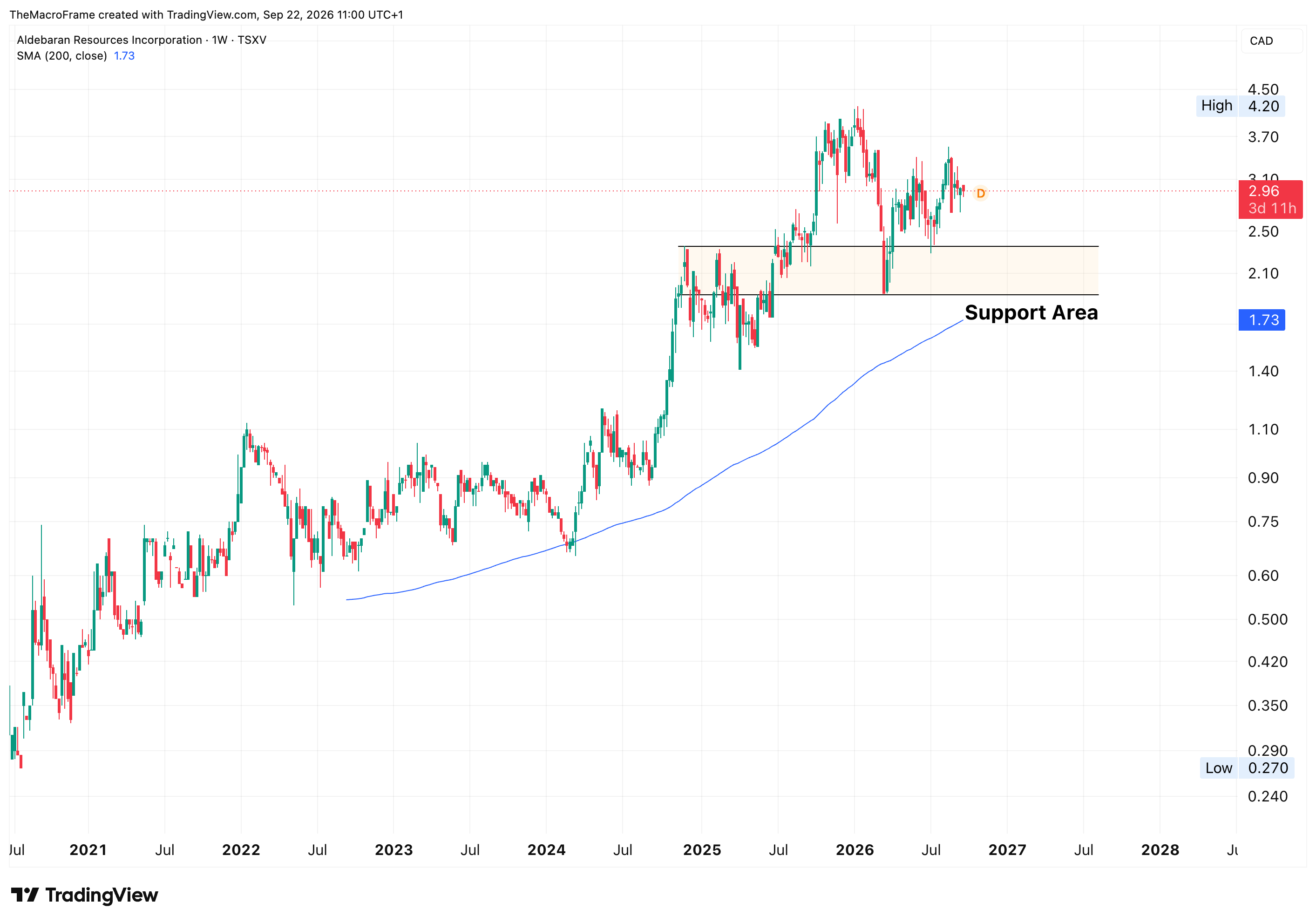
Technically, ALDE remains well above its 2024 levels, but momentum has stalled while copper has continued to make new highs. Copper has risen roughly 20% since the start of 2026, while Aldebaran shares remain around 30% below their 2026 high. Given the project’s sensitivity to higher copper prices, that divergence is worth keeping an eye on.
How I am playing this:
I have taken a small starter position, currently around 1% of my portfolio. I would consider increasing if copper prices remain elevated, Altar continues to be de-risked, and the share price pulls back into the C$1.90–2.30 support area, which sits above the rising 200-week moving average, without a deterioration in the underlying thesis.
Disclaimer
This article is for informational purposes only and is not financial advice. I hold a position in Aldebaran Resources and may trade it without updating this article. Unless otherwise stated, market and valuation data are as of 22 September 2026. Views are my own. Investing involves risk, including loss of capital.